Ride Engineering Competition
The goal of this project is to design and fabricate a flat ride for Jolly Rancher guests. This flat ride must fit within the specified area of 750 x 750 x 900 mm. As well as be disassembled down to a specified transport area of 700 x 250 x 250 mm. We aim to have a thrilling but family-friendly experience that has an engaging theme that is marketable to all ages. This ride must be both fun, exciting, and safe. Each rider shall be lifted 300 mm above their initial loading height, change orientation by at least 45 degrees, and experience at least 2G (19.62 m/s^2) of absolute acceleration force at least once during every ride cycle.

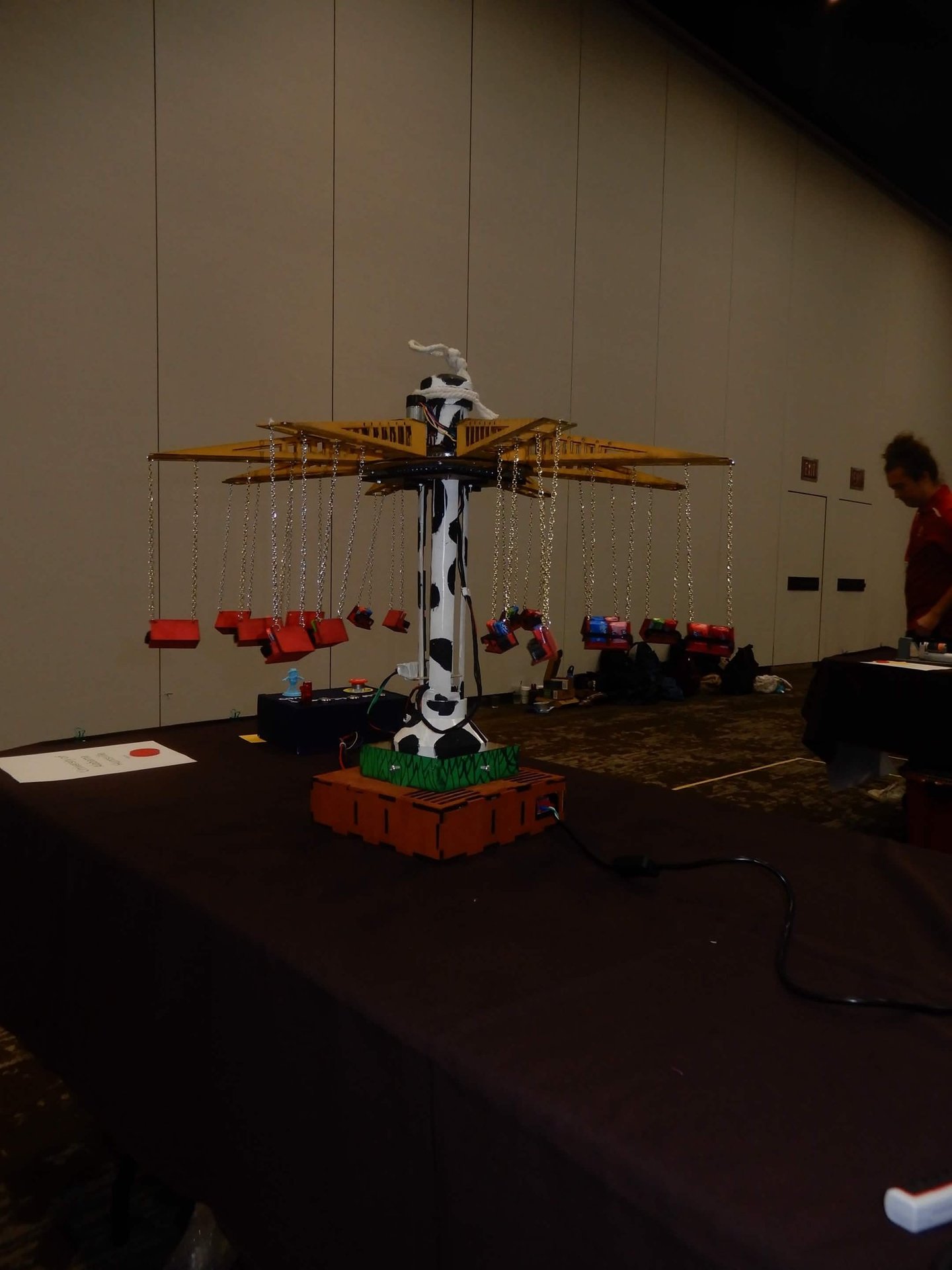
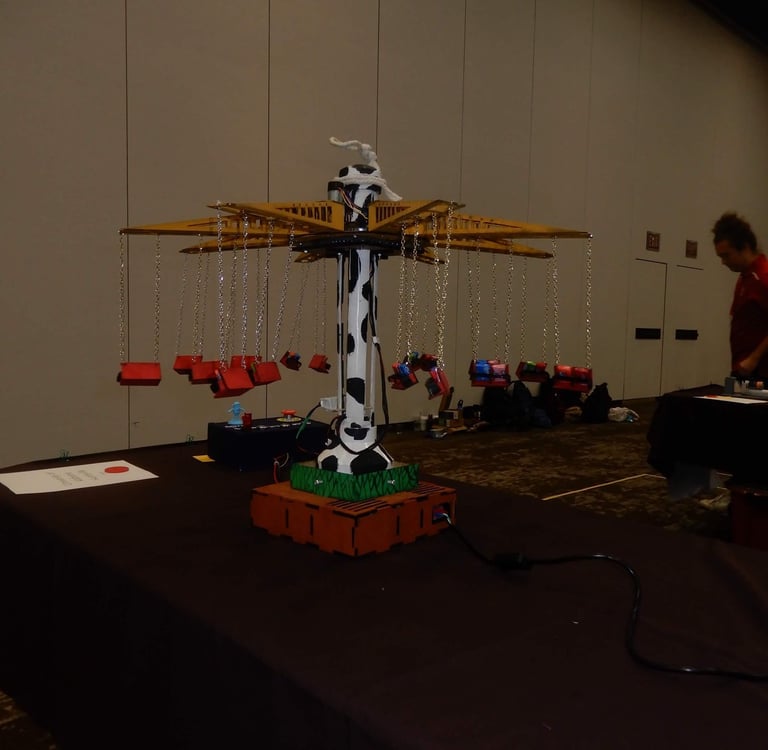
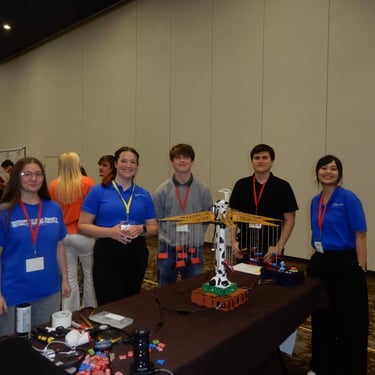
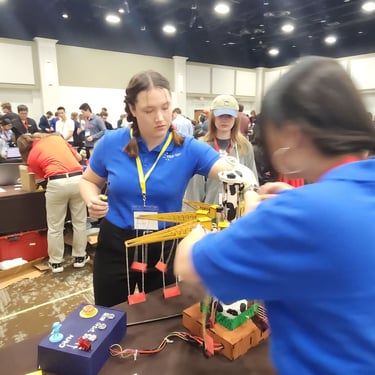
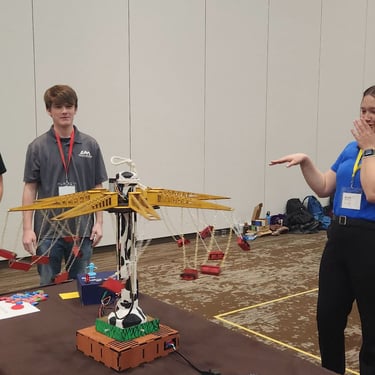
Swinging Lasso is a western themed family ride where guests are lifted and spun around the center, creating the feeling of a giant swinging lasso. Along the way riders encounter Jolly Rancher and his cow for a fun, immersive experience.
For this project, I was the Team Captain. I lead a team of 8 students to design and build an amusement ride in under 6 months. The ride was designed to operate for 6 hours without assistance, comply with ASTM F2291 requirements, and have an overall theme for marketability. The team also needed to develop a risk assessment, write and perform Factory and Site Acceptance Tests, and host an outreach event in the community.
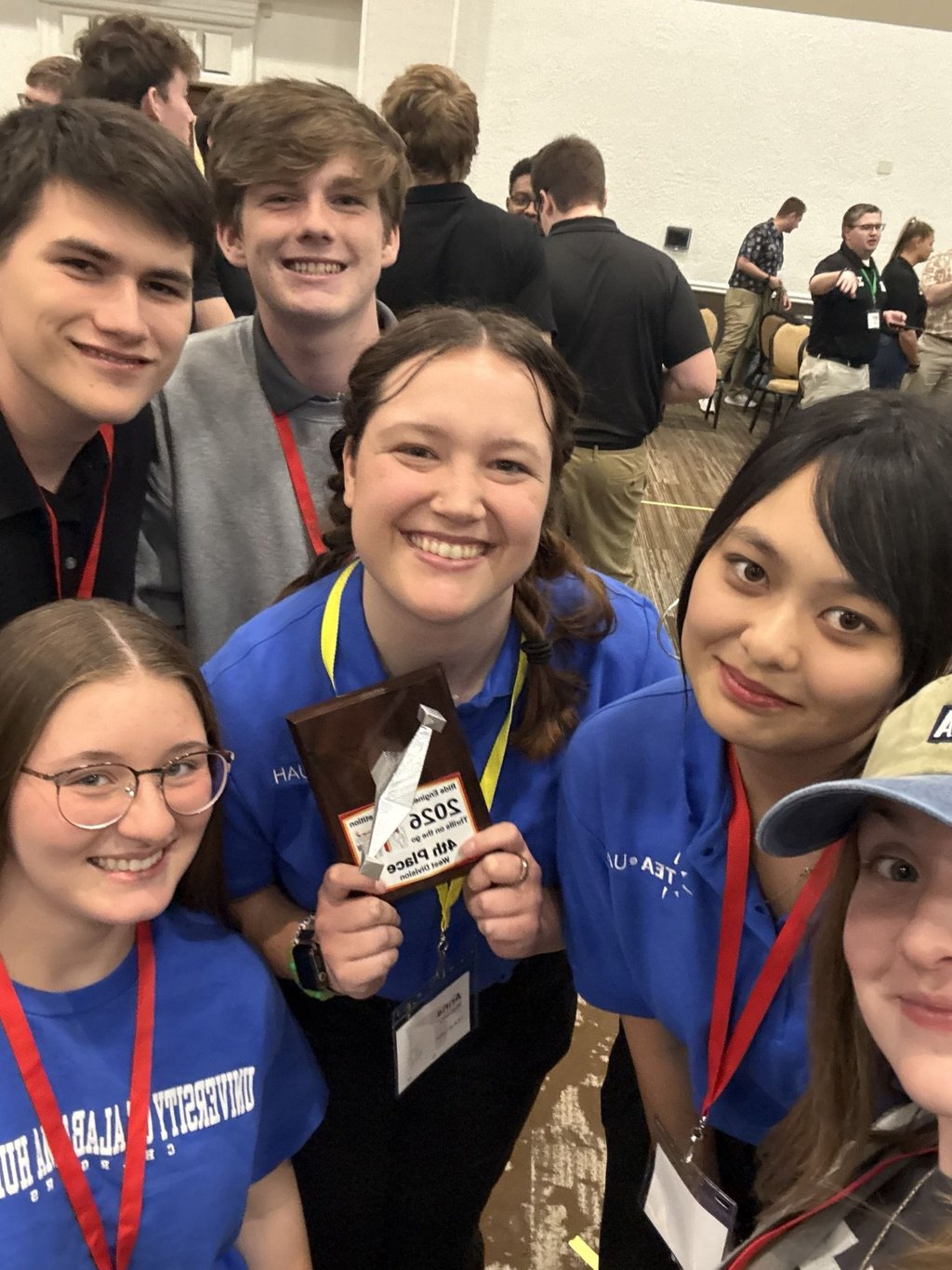
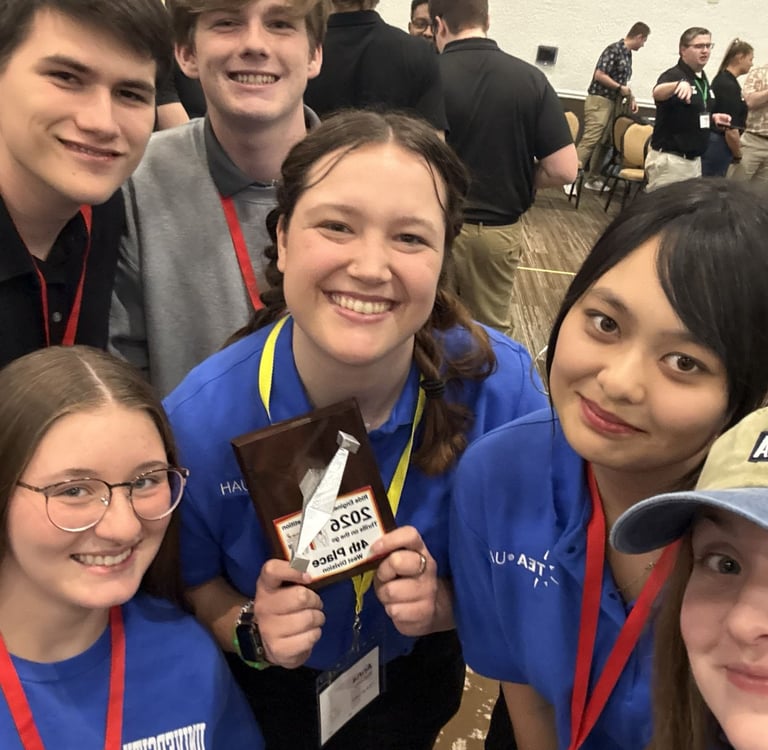
On competition day, Swinging Lasso Operated for 5 hours and 43 minutes, ranking the highest in attraction uptime and placed 4th place overall in the western division.
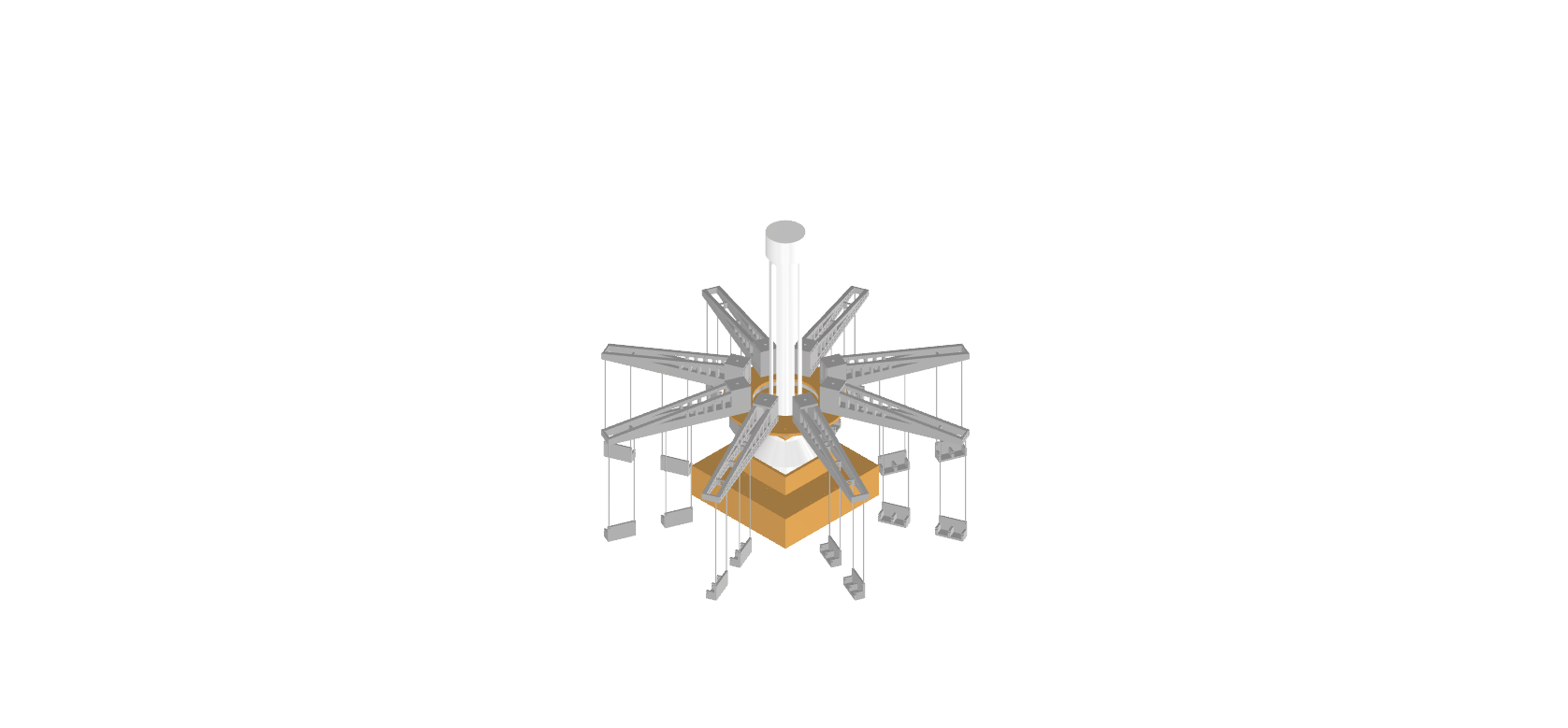
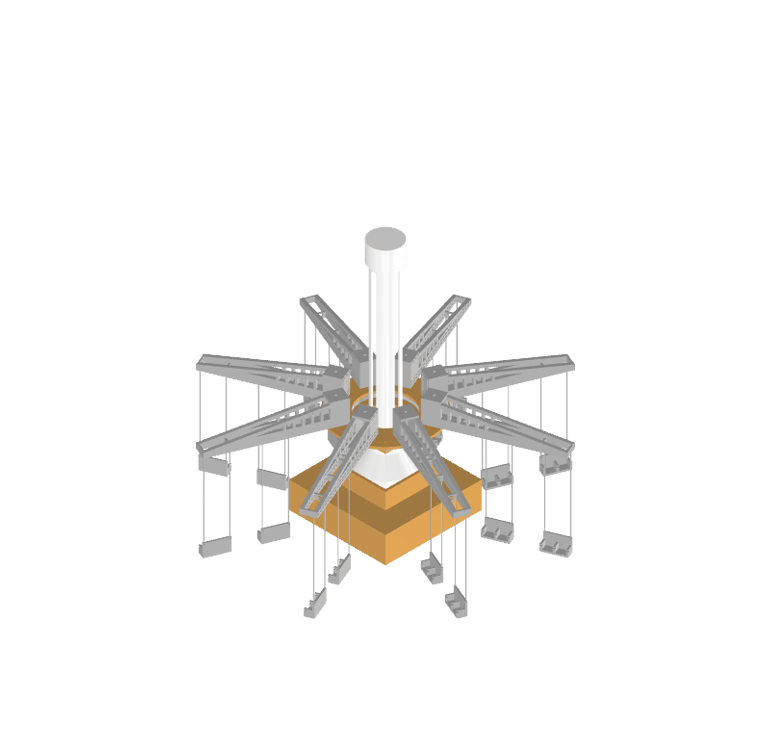
The overall design of the ride is a swing type attraction that will lift and spin jolly rancher chews. The ride is made out of wood, pvc piping, a stainless steel lead screw, chains, and a lazy susan.
There are two mechanisms that run the ride. The first is a lead screw connected to a motor at the base of the ride. A carriage carrying the riders is mounted to the lead screw. A pvc pipe with 4 slits surrounds the lead screw with the carriage sticking out of the pipe. As the motor rotates, the pvc pipe creates friction allowing the carriage to be lifted. Once the carriage nears the top of the lead screw, a limit switch is activated, altering the Arduino to stop the lead screw motor and start the second mechanism of the ride.
The second mechanism of the ride spins the riders. The carriage consists of the spin motor, a wooden “transfer disk”, a lazy susan, and the structures holding the riders. The spin motor is connected to the transfer disk which spins the lazy susan. The lazy susan spins the riders. Wooden structures connected to the transfer disk are connected to the chrome beaded chains. The chains connect the carriage to the chairs holding the jolly ranchers.
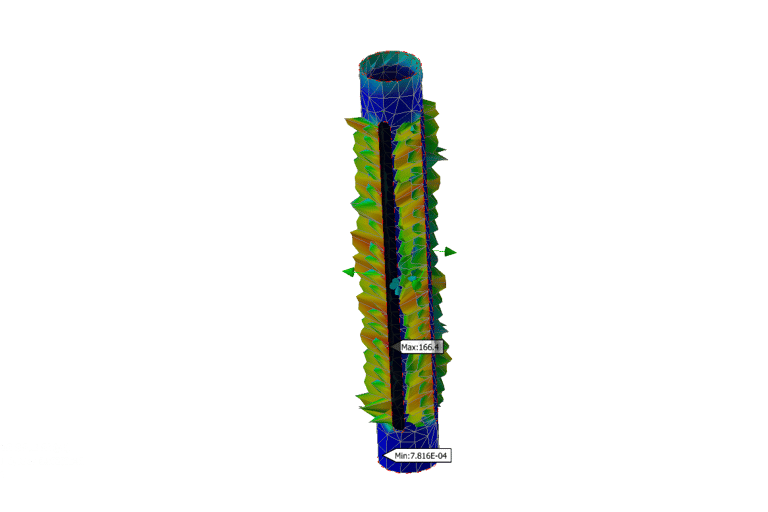
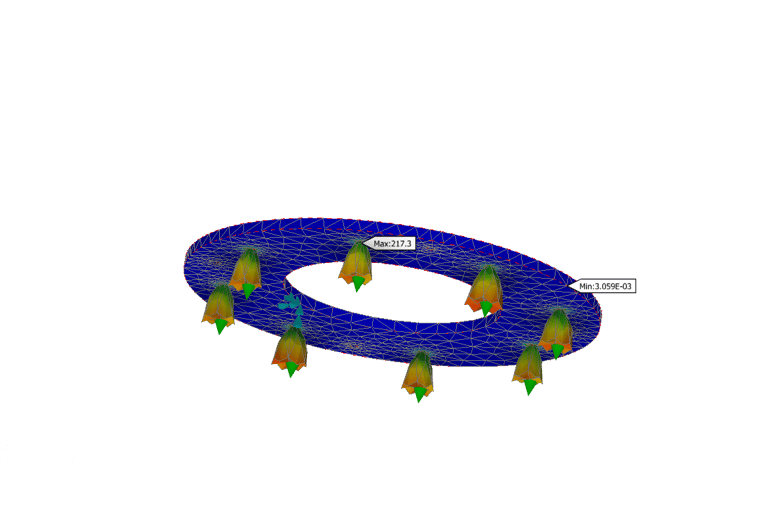
For this competition, I was in charge of ensuring all deliverables were delivered to the competition on time and were good quality. I was also responsible for hosting Preliminary Design Review and Final Design Review, ASTM F2291 Compliance Analysis, Finite Element Analysis, and Factory Acceptance Tests. I ensured timelines were met and that my team was performing the tasks assigned to them.
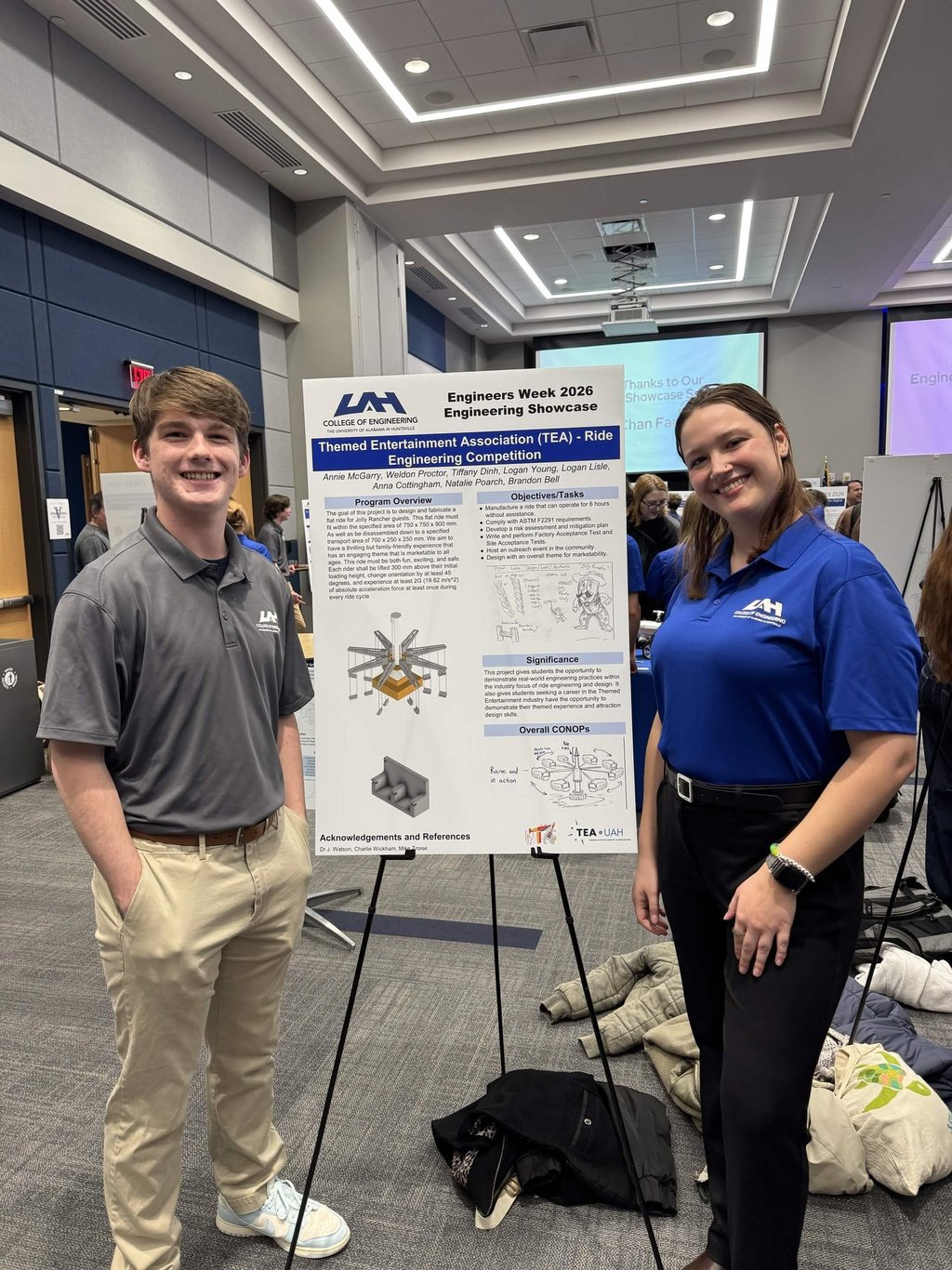
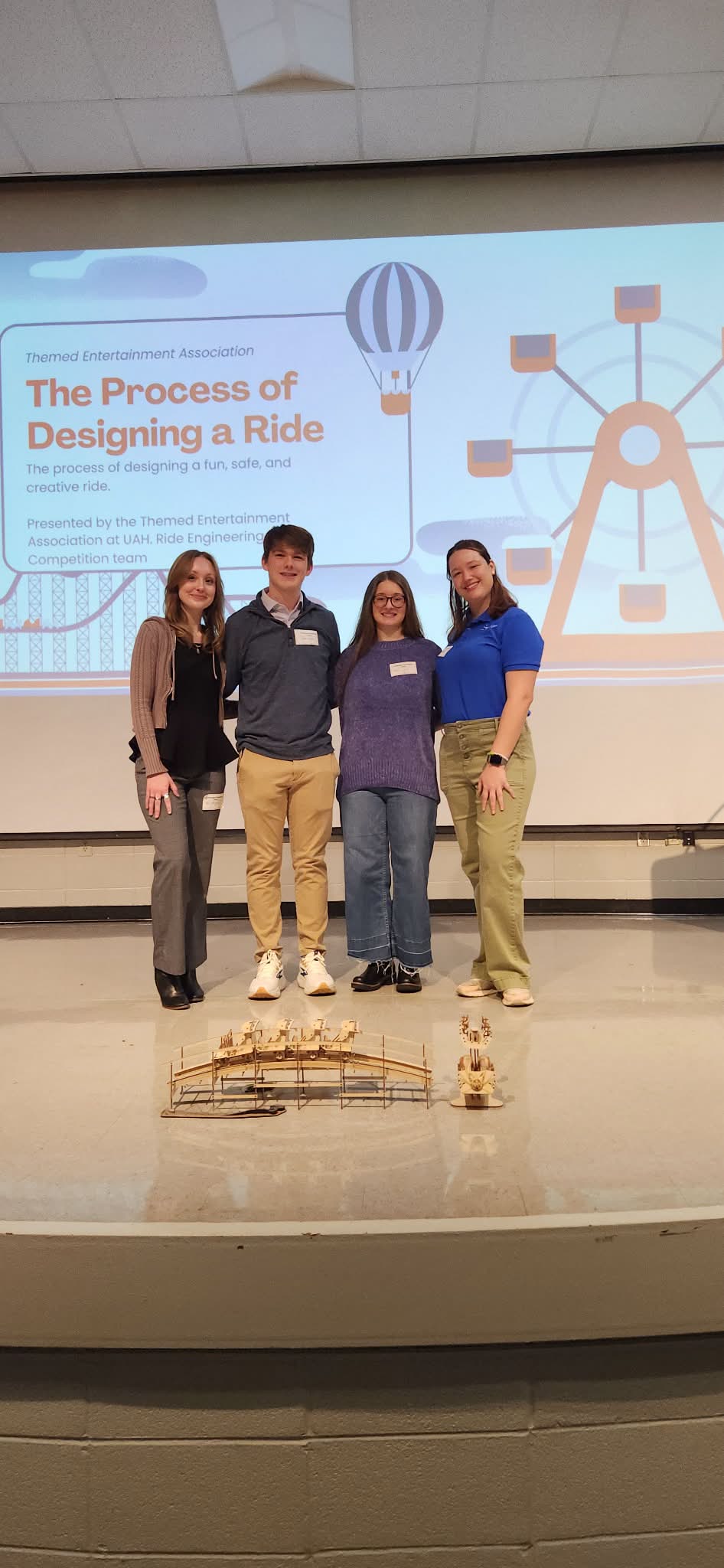
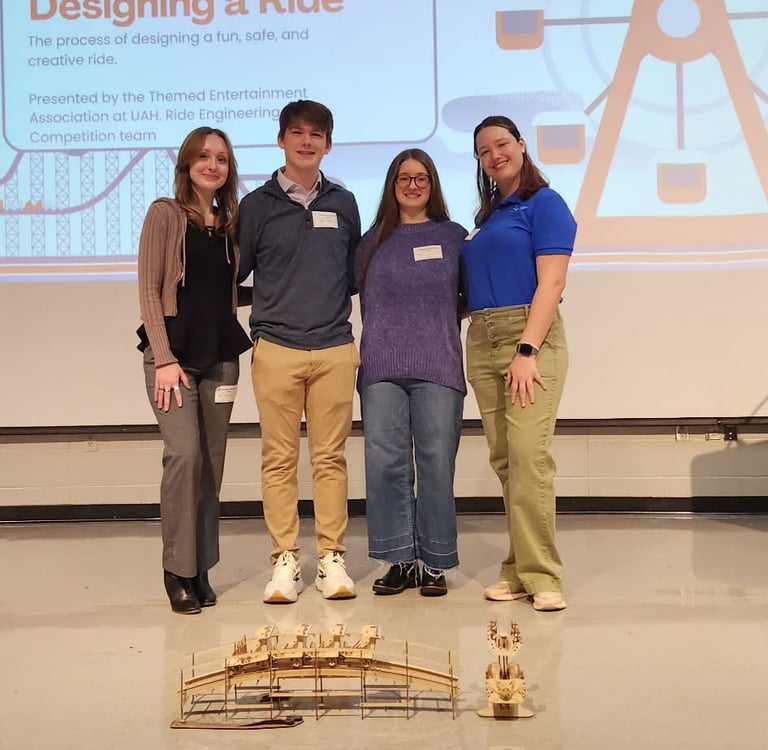
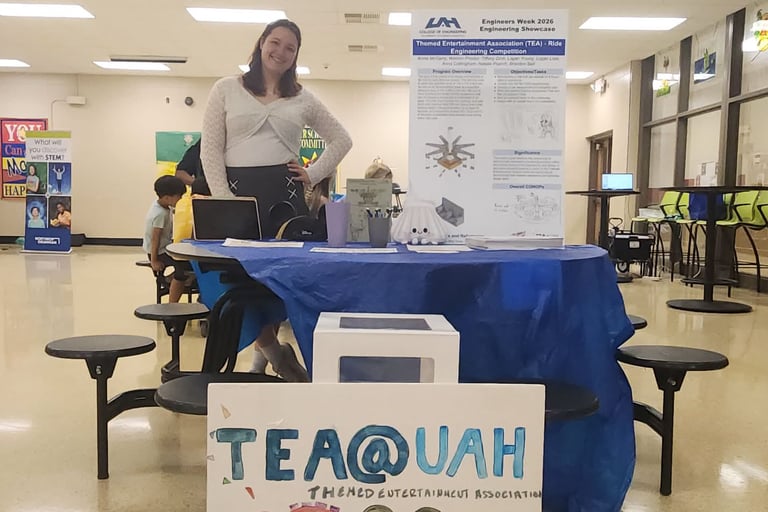
Three outreach events were held to promote STEAM in the community. These events included a presentation on how to design a ride to elementary school students, presented at UAH Engineering Week Showcase, and held a tabling event to teach middle schoolers roller coaster design.
Competition Day
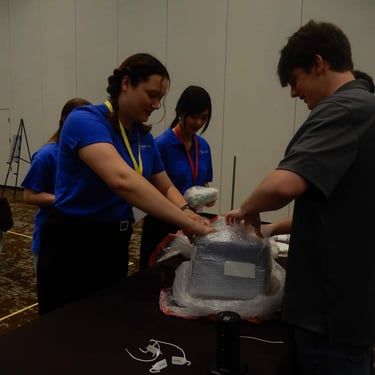
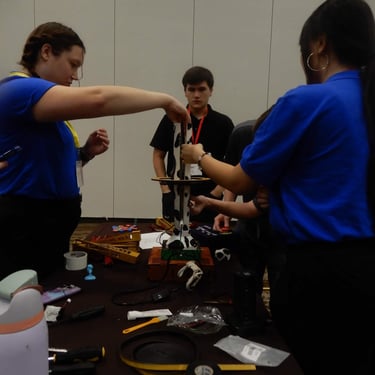
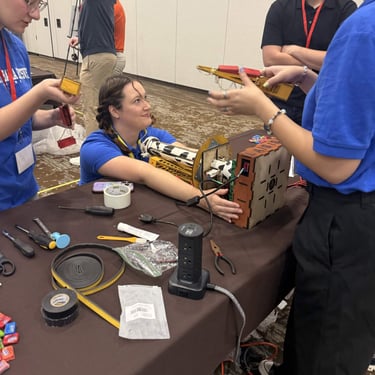
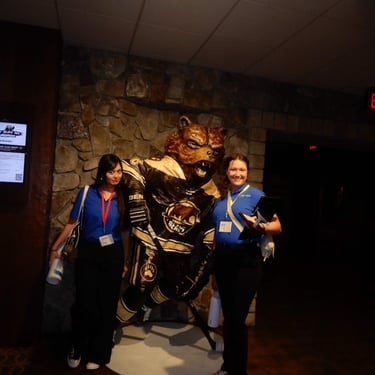
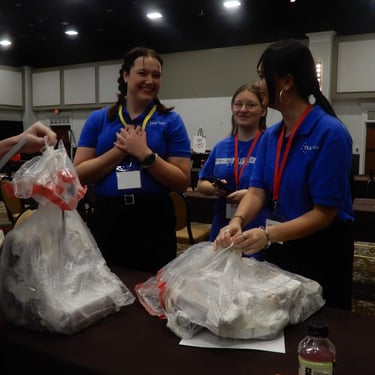
Photos from Competition Day
© 2025. All rights reserved.